장비소개 - 우리들 척추 신경원 | DMX, DRX9000, LLLT, 의료장비

CHIROPRACTOR
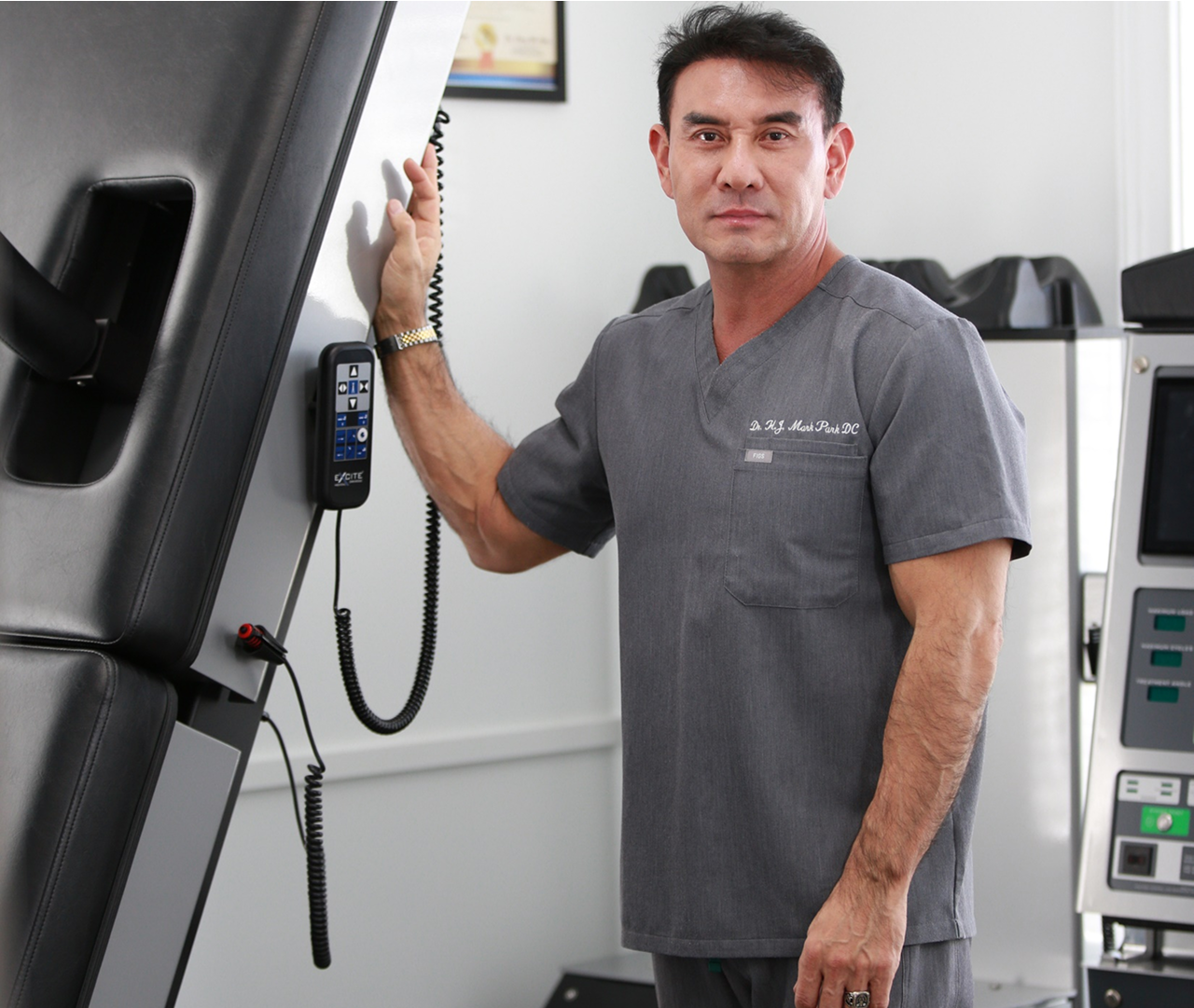
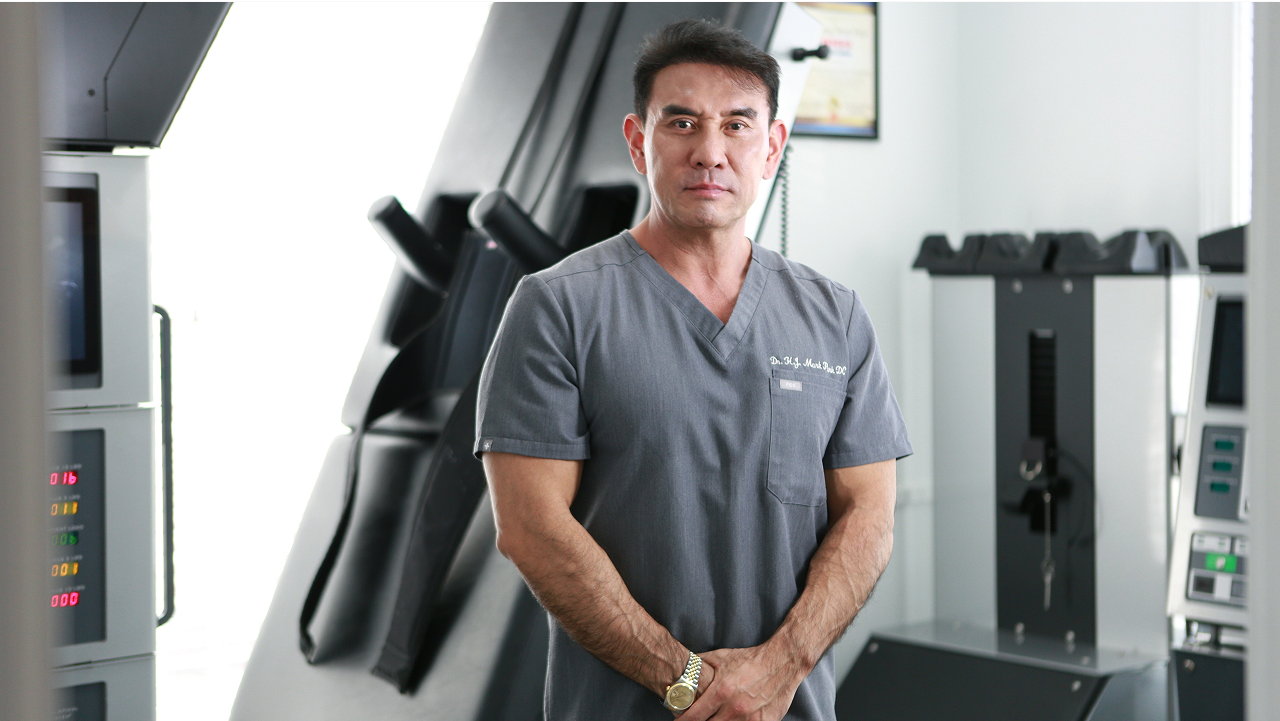
DR. HYUNG J. PARK, CHIROPRACTOR

Non-Surgical Spinal Decompression with the
DRX-9000

Spinal decompression therapy using the DRX-9000 system is a non-surgical, drug-free treatment designed to address disc-related conditions in both the lumbar and cervical spine. Across the country, countless patients have found relief from chronic pain caused by degenerative joint disease, herniated discs, facet syndrome, bulging discs, pinched nerves, and other spinal disorders.

This advanced therapy utilizes computer-guided technology to apply a gentle, non-invasive decompressive force to the spine. By reducing pressure on the spinal discs and joints, circulation improves, promoting natural healing, pain relief, and restored function.

At Advanced Injury & DISC Center, we are proud to offer the exclusive DRX-9000 system as part of our comprehensive treatment approach.

Experience the most advanced non-surgical spinal decompression therapy in Duluth, GA, available only at our clinic.
Advanced Injury & DISC Center

Advanced Injury & DISC Center
Why Spinal Disc Decompression Works

FDA-cleared,
Non-surgical treatment

Spinal disc decompression is an FDA-cleared, non-surgical treatment that effectively relieves pain by creating space between the spinal discs.
The negative pressure generated by the DRX-9000

reduces pressure on the discs and nerves, allowing herniated and bulging discs to gradually return to their proper position.
one of the most effective treatments for severe cases of disc herniation

This advanced therapy is one of the most effective treatments for severe cases of disc herniation, degeneration, arthritis, spinal stenosis, and nerve root compression.
experienced significant relief from spinal pain

According to a 2004 clinical study published in the Orthopedic Technological Review, 86% of patients experienced significant relief from spinal pain through disc decompression therapy.

Advanced Injury & DISC Center

Advanced Injury & DISC Center
Advanced Decompression Technology

01 Advanced Injury & DISC Center DRX-9000

There are various FDA-cleared decompression systems, each offering similar functions, with some incorporating additional features.

Commonly known systems include SpineMed, Lordex, ABS, Extentrac, and 3D Active Trac. However, in my practice, I use the DRX-9000 because it integrates the latest technological advancements while ensuring maximum patient comfort.
02 The only spinal decompression system
with FDA 510K clearance

Now available in Duluth, GA, the DRX-9000 is the only spinal decompression system with FDA 510K clearance, officially recognized as a true spinal decompression system. It is also the only system with a clinically proven 86% success rate for vertebral axial decompression.

This advanced system features a closed-loop feedback mechanism, ensuring precise and targeted treatment based on video fluoroscopic studies, which allows for accurate decompression of specific disc levels.
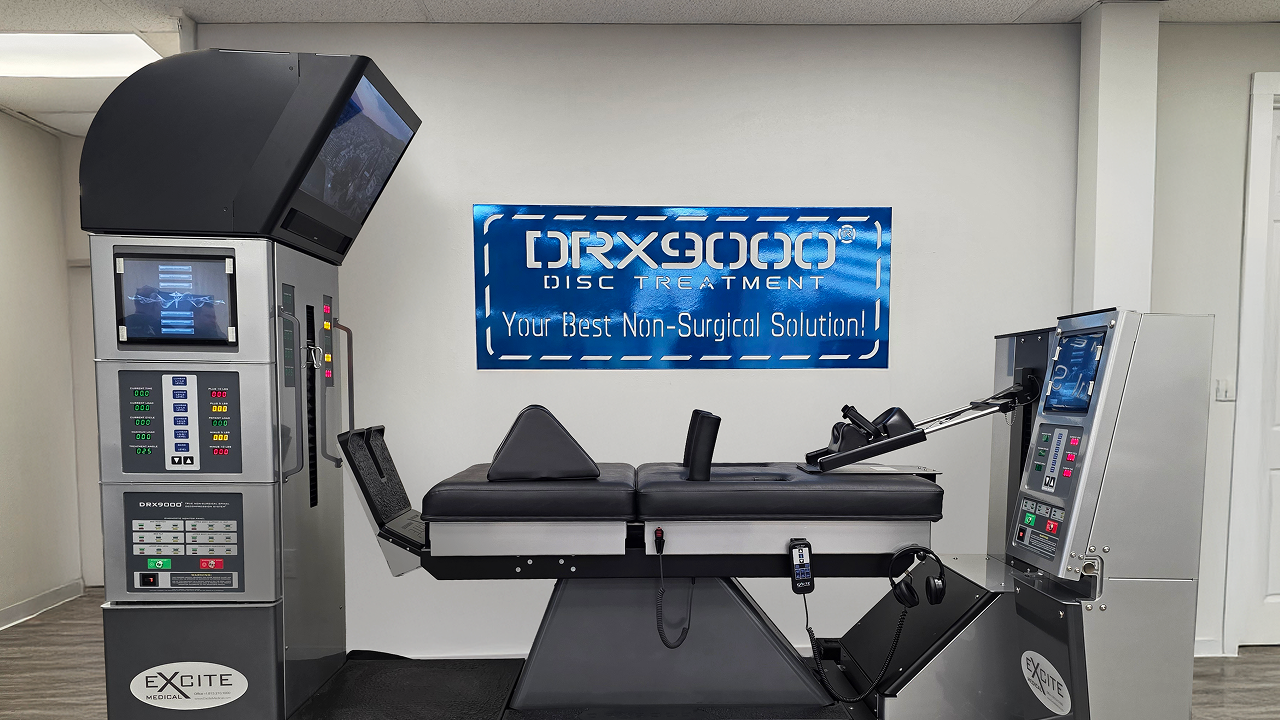
The DRX9000 treatment for herniated discs.

Advanced Injury & DISC Center

Advanced Injury & DISC Center
How Spinal Decompression Works

Spinal decompression therapy helps reposition displaced disc material back into the joint space
while simultaneously strengthening the outer disc layer by stimulating cartilage regeneration, reducing the risk of future injuries.

If you are in Duluth, Suwanee, or Johns Creek and have questions about your treatment options,
insurance coverage, or costs, feel free to contact us at 770) 734-5460

Don't wait until spinal surgery becomes your only option—call us today to learn how non-surgical spinal decompression can help you!

Advanced Injury & DISC Center
Frequently Asked Questions
About Spinal Decompression

Spinal traction and decompression are often confused, but they work in different ways. Traction applies a constant pulling force to the spine, which can lead to muscle contraction and an increase in intradiscal pressure. This often causes more discomfort rather than relief. In traditional traction therapy, muscle stretch receptors are activated, causing the paraspinal muscles to contract, which increases pressure in the spine and can exacerbate the problem.

In contrast, true spinal decompression involves applying negative pressure in a controlled and gradual manner to reduce spinal misalignment and relieve pain. This decompression process reduces intradiscal pressure, unlike traction. A computer-controlled system precisely adjusts the distraction forces, allowing for a gentle, curved pull on the spine, which is far more effective and comfortable than the sharp, uncomfortable pulls used in traditional traction.

The decompression system continuously monitors spinal resistance and adjusts the force accordingly to ensure precise treatment. The angle of distraction can be altered to specifically target a lumbar segment for treatment. This patented decompression technique helps avoid muscle spasms and guarding, allowing the spine to heal naturally. The system tracks spinal resistance at a rate of 10,000 times per second, making adjustments that are not visible to the naked eye and ensuring an effective treatment process.

Additionally, spinal decompression therapy uses a specialized pelvic harness that supports the lumbar spine during the procedure, maintaining negative pressure within the disc throughout the session. This negative pressure, which can reach -150 mm Hg, helps to rehydrate the damaged disc with oxygen and nutrients, promoting healing and reducing pain.

No, there is a significant technological difference between traction, distraction, and decompression. Traction has been used for centuries, but it is a basic method that often falls short in addressing the underlying causes of pain. Traditional traction therapy, commonly practiced in many places, can sometimes be ineffective and, in some cases, even detrimental. In fact, in 1998, Scientific American concluded that traction has little to no value in treating lower back pain, a finding supported by many studies.

Traction therapy can trigger a nociceptive response in the body, where the muscles around the spine go into spasm, making it harder to achieve lasting relief. This muscle resistance prevents proper change in the disc.

Distraction, also known as flexion distraction, aims to reposition the spine, and while it can be effective, it carries risks, especially if not performed correctly. It heavily depends on the skill of the practitioner, and like traction, it struggles to create negative pressure within the disc to encourage healing.

Spinal decompression, on the other hand, is a more advanced, precise therapy. It combines restraint, specific angle positioning, and state-of-the-art equipment to generate true decompression. Unlike basic traction or distraction, decompression creates negative pressure within the discs, drawing in nutrients and fluid and fostering a healing environment.

Essentially, while you can experience traction without decompression, decompression involves a more specialized, technologically advanced process that goes beyond traditional traction.

Many patients with lower back conditions begin to experience pain relief as early as their third treatment session. Comparing pre-treatment and post-treatment MRIs has shown up to a 50% reduction in the size and severity of herniated discs. In clinical studies, 86% of patients reported significant relief from back pain using our system. In the past five years, some private practice clinicians have even reported success rates as high as 90%.

Each treatment session typically lasts between 25 to 30 minutes, as research shows that optimal results are achieved with 10 to 15 decompression and relaxation cycles per session. On average, one daily session for 20-30 treatments is necessary for the body's natural healing process to take effect.

Patients with herniated discs generally see improvement within 20 sessions, while those with degenerated discs may require ongoing therapy at regular intervals to stay pain-free. Depending on their lifestyle or occupation, some individuals may also benefit from maintenance therapy. For patients with posterior facet syndrome, complete remission may be achieved in fewer than 10 sessions. Studies show that most patients experience full relief from back pain after completing the initial treatment regimen.

Non-specific low back pain and cervical pain often involve various mechanical issues, such as problems with muscles, tendons, ligaments, and other soft tissues that may put pressure on or irritate the nerves. The term "intervertebral disc syndrome" is commonly used in such cases. An MRI is typically recommended to confirm whether a disc is involved in the diagnosis.

Decompressive Therapy can be highly beneficial for individuals with certain conditions. Ideal candidates include those with.

1.Pain due to herniated or bulging lumbar discs lasting more than four weeks 2.Recurrent pain from a failed back surgery lasting more than six months 3.Persistent pain from degenerated discs that hasn’t improved with four weeks of therapy 4.Patients who are available for four weeks of treatment 5.Patients at least 18 years of age

Specific conditions that may benefit from Decompression Therapy include:

●Nerve Compression ●Lumbar Disorders ●Lumbar Strains ●Sciatic Neuralgia ●Herniated Discs ●Injury to the Lumbar Nerve Root ●Degenerative Discs ●Damaged Discs ●Spinal Arthritis ●Low Back Pain (with or without Sciatica) ●Degenerative Joint Disease ●Myofascial Syndrome ●Disuse Atrophy ●Lumbar Instability ●Acute Low Back Pain ●Post-Surgical Low Back Pain

Additionally, Decompressive Therapy is recommended for patients with low back pain, with or without radiculopathy, who have not responded to conventional treatments (like physiotherapy or chiropractic) and are considering surgery.

Spinal surgery or injections should only be considered after undergoing a reasonable course of Decompression Therapy sessions.

Spinal Decompression therapy is not recommended for patients with the following conditions or symptoms.

●Pregnancy ●Prior lumbar surgical fusion ●Pelvic/Abdominal cancer ●Metastatic cancer ●Disc space infections ●Severe osteoporosis ●Cauda Equina syndrome ●Compression fracture of the lumbar spine below L-1 ●Pars defect ●Aortic aneurysm ●Hemiplegia, paraplegia, or cognitive dysfunction ●Severe peripheral neuropathy ●Osteoid osteoma ●Multiple myeloma or osteosarcoma ●Tumors ●Infection (e.g., osteomyelitis, meningitis, or viral infections) ●Sequestered or free-floating disc fragments (Herniated Nucleus Pulposus)

Patients with these conditions should seek alternative treatment options and consult their healthcare provider for guidance.

Each session on the DRX 9000 is approximately 25-40 minutes long (45-minute sessions include set-up and take-off), accompanied by 15 minutes of muscle stimulation, ice packs, and manipulation.

The typical treatment plan involves 20-30 sessions over a 6-10 week period. The doctor will provide a detailed copy of the non-surgical Spinal Decompression treatment protocol upon request.

Many patients begin to feel some relief within the first 3-7 treatments. By the 12th to 15th session, most patients report noticeable improvement or remission of symptoms. If significant progress isn't observed by the 15th to 18th session, the patient may be referred for further diagnostic evaluation.

Eighty to ninety percent of patients who are properly selected and follow the Spinal Disc Decompression protocol experience good to excellent outcomes. However, conditions that don't respond quickly to therapy may require longer treatment or additional support. Patients' age, gender, body type, and other factors can influence results, and some may benefit from counseling on weight loss, nutrition, and lifestyle changes to optimize their progress.

If sneezing, coughing, or bearing down causes pain, it's often a sign that a disc may be involved. Patients may experience back pain with or without leg pain, or in some cases, leg pain and weakness without any back pain.

In my opinion, the Chattanooga DTS system—also known as the DTS—is a less effective option compared to the DRX 9000 or the Spine-med table. I've been using spinal decompression protocols in my practice for many years, far longer than most chiropractors in town.

Recently, several new chiropractors have added the DTS table to their practices and are even offering the first few sessions for free. However, I believe you get what you pay for. I’ve made a significant investment in my practice and in the health of my patients, and I don’t believe in cutting corners with inexpensive equipment.

The Chattanooga DTS table costs around $8,000, while the DRX 9000 is priced at $100,000. Which table would you prefer to be treated on? If the DTS is the only option available to you, it may not harm you, but if you’re seeking the highest quality spinal decompression and want to be treated on the best equipment available, the DRX 9000 sets the standard.

I don’t offer free treatments, but I do offer a free consultation. If you have an MRI report—or even better, the actual film—I’d be happy to review it and provide you with a second opinion. Call me directly at (770) 734-5460.

While a recent MRI has become the standard for documenting a herniated disc, there are certain abnormal movements that can be detected on radiographs when the patient’s spine is in full extension and flexion. Two radiologic signs that suggest instability are the vacuum sign (also known as Knuttson’s phenomenon, which indicates gas in the disc) and the "traction spur," or Macnab spur.

If a recent MRI isn’t available, radiographs can still help identify lumbar instability. I use a high-speed, low-dose digital system in my practice to ensure accurate and effective imaging.

A herniated or slipped disc is different from a healthy disc because it becomes desiccated and no longer functions as an effective shock absorber. This can lead to back pain and sensations of tingling down the legs or arms. The disc itself is a soft, cartilaginous material that separates the spinal vertebrae. Discs are present from the third cervical vertebra down to the lowest lumbar vertebra, L5. Each disc has a central part called the nucleus and an outer layer known as the annulus.

Discs act as shock absorbers for the spine, and after we stop growing—usually around age 19—they become avascular, meaning they no longer receive a sufficient blood supply. This lack of blood flow is one reason discs cause so many problems. While bones heal quickly and become even stronger, discs don’t heal well because they lack that vital blood supply. When a disc is injured, it continues to degenerate and doesn’t heal properly.

One of the amazing benefits of spinal decompression therapy is that it can help restore the disc’s height and return it to normal size and function. Decompression therapy also stimulates the regeneration of cartilage, helping the disc heal in ways it cannot on its own. The process draws nutrient-rich blood into the disc space, promoting healing.

Dr. Park will take a detailed medical history, conduct a physical examination, and review MRI results to ensure the decompression treatment is appropriate for you.

Dr. Park has extensive training in spine decompression and has dedicated much of his practice to relieving chronic low back and cervical pain, helping patients return to a pain-free, normal life.

To truly understand what a bulging disc is, it’s important to know the various classifications of disc lesions, as there are several types.

●Ruptured Disc ●Slipped Disc ●Disc Prolapse ●Disc Herniation

The term "disc herniation" refers to a rupture or tear in the annular fibers near the disc, allowing the nucleus material to move past the "vertebral margin."

This material may protrude and cause the outer annulus fibrosis to bulge, or it may rupture through the annulus and extrude behind the posterior ligament. There are four classifications used to describe disc lesions.

1.Annular Bulge 2.Protrusion (Herniation) 3.Extrusion 4.Free Disc Fragment (Sequestration)

An annular bulge, also known as a disc bulge, is a mild form of disc herniation that does not directly contact the nerve root.

However, if left untreated, it can progress into a more severe form of nucleus protrusion, as the annular fibers lose their ability to contain the nucleus.

Disc degeneration can make the annular fibers more vulnerable to failure, especially after trauma.

A disc herniation occurs when the nuclear material ruptures through a defect in the annulus, causing either a localized bulge or a broad-based extension of the disc margin. Intervertebral disc herniations can lead to some degree of central canal or foraminal occlusion, which can impinge on nerves.

Disc Extrusion happens when a portion of the nucleus pulposus, along with fibrocartilage and endplate cartilage, migrates through weakened outer annular fibers. This can create compressive forces on the spinal cord, nerve roots, or both, potentially causing myeloradiculopathy—shooting pain that radiates from the spine.

Free Disc Fragment (Sequestered Disc) refers to the separation and migration of a piece of nuclear material outside the disc. This can sometimes lead to Cauda Equina syndrome, especially with intradural migration, which results in the loss of bowel and bladder control. This is a medical emergency and typically requires surgery to correct.

The lower lumbar vertebrae, especially L5, are the most common areas affected by disc herniation. The pressure causes the jelly-like material inside the disc to bulge or slip out of place, which in turn compresses the spinal nerves. Even slight pressure on these nerves can cause dysfunction. The most common cervical disc to herniate is also at C5, leading to cervico-brachial symptoms, such as carpal tunnel-like pain, weakness in the arms, or a stinging or burning sensation.

Disc Desiccation occurs when the annular fibers degenerate due to dehydration. One preventative measure is to drink plenty of water if you feel you may be developing a disc herniation, as hydration helps maintain the integrity of the discs.

The spine is made up of 24 vertebrae, each separated by discs, which are pads of cartilage that act as spacers between the bones. These discs are designed with a tough outer layer and a soft, gel-like center to cushion the vertebrae and protect the spine from the stresses and shocks it endures. Over time, however, these discs can be affected by injury, disease, and natural degeneration. Certain activities and types of work can increase the risk of disc damage or deterioration.

A disc is considered herniated when the soft inner material pushes through a tear or weakness in the outer layer.

This can cause the disc to bulge or slip out of its normal position. Herniated discs are also referred to as slipped, protruding, ruptured, degenerated, or bulging discs. Although there are technical differences between these terms, they all describe a disc that is no longer in its proper condition or location. Herniated discs cause pain by pressing on and irritating the nerves in the spinal column, and in some cases, they can even lead to nerve injury.

Herniated discs most commonly occur in the lower back (lumbar spine), with the second most common area being the neck (cervical spine). A herniated lumbar disc can cause shooting pain that radiates down the legs, through the thighs and buttocks, and into the back of the legs (often referred to as sciatica). When a cervical disc herniates, it can lead to severe pain in the arm, shoulder, and hand.

Other symptoms of herniated discs include muscle weakness, difficulty getting up after sitting or lying down, and pain when straining—sometimes even with actions as simple as coughing or sneezing. In some cases, herniated discs can cause pain in the lower right side of the abdomen. Additionally, herniated discs can affect the nerves that control bowel and bladder function, potentially causing incontinence. If this happens, it is crucial to seek immediate emergency medical attention.

Lower back injuries happen when external forces exceed the strength or tolerance of the tissues in the area. These injuries are often the result of repetitive motions, particularly at the end range of movement. According to a 1998 study by McGill, such injuries typically occur after "a history of excessive loading that gradually reduces the tissue's failure tolerance" (McGill, 1998).

Disc injuries are linked to three primary factors.

1.Full end-range flexion in younger spines (due to their higher water content) (Adams & Hutton, 1982; Adams & Hutton, 1985; Adams & Muir, 1976).

2.Repetitive end-range flexion motions exceeding 20,000 to 30,000 cycles (King, 1993; Gordon et al., 1991).

3.A correlation between sedentary occupations and disc herniation (Videman et al., 1990).

Certain times of the day are particularly vulnerable for the back. Disc bending stresses increase by 300% and ligament stress by 80% during the early morning (Adams et al., 1987). McGill's research also found that after just three minutes of full flexion, subjects lost half of their spinal stiffness (McGill, 1991).

To prevent back injury, tissue conditioning must match the demands placed on the body. If there is inadequate rest, lack of training, or excessive forces, injury is inevitable. On the other hand, insufficient or infrequent exposure to load prevents tissue tolerance from improving. In other words, too much or too frequent exposure can overwhelm the body’s ability to adapt.

Understanding when injury is most likely to occur can help reduce risk. Early mornings and after long periods of sitting are especially vulnerable times. Research by Reilly et al. (1984) showed that 54% of the total loss of disc height (and water content) happens within the first 30 minutes after waking. Disc bending stresses are significantly higher in the morning (Adams et al., 1987). After even a brief period of sitting or stooping, the spine’s protective joint stiffness is compromised (McGill, 1999). Thirty minutes later, after being at rest, joint laxity persists. Therefore, avoiding high-risk activities in the morning or after rest is key, and exercises involving full flexion are essential to prevent injury.

While advice like "lift with your knees, not your back" is common, it oversimplifies things. Many workers have developed techniques to prevent injury that don’t always align with this recommendation. A better approach follows these principles: avoid end-range motions, rotate activities to vary spinal strain, and take frequent rest breaks. When lifting, always keep heavy loads close to your spine (McGill, Norman, 1993).

For patients, a simple warm-up is important, starting with the cat/camel exercise on all fours. This should be done first thing in the morning and before endurance exercises. Perform 8-10 repetitions, thinking of it more as a limbering movement than a stretch.

After completing the cat/camel exercise, patients can progress to strengthening exercises for the abdominal and back muscles, emphasizing "neutral spine" awareness. The goal is to improve "inner range" endurance by training proper posture and motor control through regular practice. Daily repetitions of 5-6 second holds are recommended, with up to three months needed to achieve lasting benefits (Maniche et al., 1991).

Additionally, decompression therapy has been shown to provide relief for 86% of patients with herniated intervertebral discs (American Journal of Pain Management).

Dr. Park provides top-quality non-surgical spinal decompression treatment in his office, offering both cervical and lumbar disc decompression for effective relief.

The sciatic nerve is the largest nerve in the body, and sciatica is a common issue for many people. When a disc herniates, it can press on the sciatic nerve, leading to sharp, shooting pain that radiates from the lower back into the buttocks and even down to the toes. In severe cases, this condition can result in permanent numbness and muscle weakness.

The DRX 9000 utilizes advanced computer-assisted technology designed to gradually alleviate back pain. Through spinal decompression, this treatment effectively reduces pain by expanding the spaces between the vertebrae and discs, helping to reduce herniation. It also strengthens the outer ligaments, encouraging herniated discs to naturally move back into their correct position. This process lowers the high intra-discal pressure the patient experiences by methodically applying negative pressure across the entire spinal structure.

Your treatment on the DRX 9000 begins with daily sessions for two weeks, followed by treatments three times a week as needed. Each session lasts between 30 and 45 minutes. After each therapy session, a cold pack and electrical muscle stimulation are applied to help relax the paravertebral muscles and promote healing.

An upper chest harness or shoulder support is used to evenly distribute the applied forces. Once properly secured, you will be slowly reclined to a horizontal position. Following your physician's instructions, the therapist will focus on the specific area of pain, making adjustments as needed to target the problem. The DRX 9000 helps mobilize the affected disc segment while preventing additional damage to the spine.

What to Expect During Spinal Decompression Therapy with the DRX 9000 The DRX 9000 is designed to relieve pain for patients suffering from lower back pain. Under the guidance of your physician, each treatment consists of a prescribed session on the DRX 9000. The machine uses intermittent distraction forces to relieve pressure on structures that may be contributing to your back pain.

Conditions such as degenerative disc disease, protruding discs, herniated discs, sciatica, and posterior facet syndrome tend to respond well to treatment. The DRX 9000 works by decompressing the intervertebral discs, helping to alleviate pain and promote healing.

Clinical studies have shown remarkable results in just three weeks of treatment with the DRX 9000, providing significant relief from pain caused by herniated, bulging, ruptured, or degenerative discs, as well as posterior facet syndrome, sciatica, and many cases of failed back surgeries.

Pre- and post-treatment MRIs have demonstrated more than a 50% reduction in the size and extent of herniations after just four weeks of therapy with the DRX 9000.

In fact, during the initial clinical study, over 82% of patients reported relief from back pain following treatment with the DRX 9000.

Conditions that respond well to treatment include. ●Herniated/Bulging Discs ●Degenerative Disc Disease ●Sciatic Leg Pain ●Facet Syndrome ●Post-Surgical Back Pain ●Foraminal Stenosis

Lower back pain can result from a variety of factors, including injuries and the natural effects of aging. The spinal cord is protected by vertebrae made of bone, with soft discs between each vertebra that have a ligamentous outer layer. These discs act as shock absorbers, protecting the vertebrae and spinal cord.

Many common causes of back pain stem from the herniation or degeneration of the intervertebral discs. Degeneration occurs as wear and tear leads to the deterioration of the disc. Herniations, or bulging discs, occur when the disc protrudes and presses on nearby nerves, leading to pain or numbness.

Vertebral decompression is achieved through a precise combination of spinal positioning and controlled variations in force intensity. The DRX 9000 applies gentle negative tension, which is carefully monitored by sensors that feed data into the system. By generating distractive forces along a logarithmic curve, the typical proprioceptor response is bypassed. This approach allows for targeted decompression at the specific area of concern.

No, the DRX 9000 is completely safe and comfortable for all types of patients. As a computer-assisted system, the DRX 9000 is equipped with multiple emergency stop switches—both the operator and the patient have access to kill switches.

These safety features are required by the FDA and immediately halt the treatment, ensuring patient safety and preventing any potential injuries.